Rodent Control in Columbus, Ohio
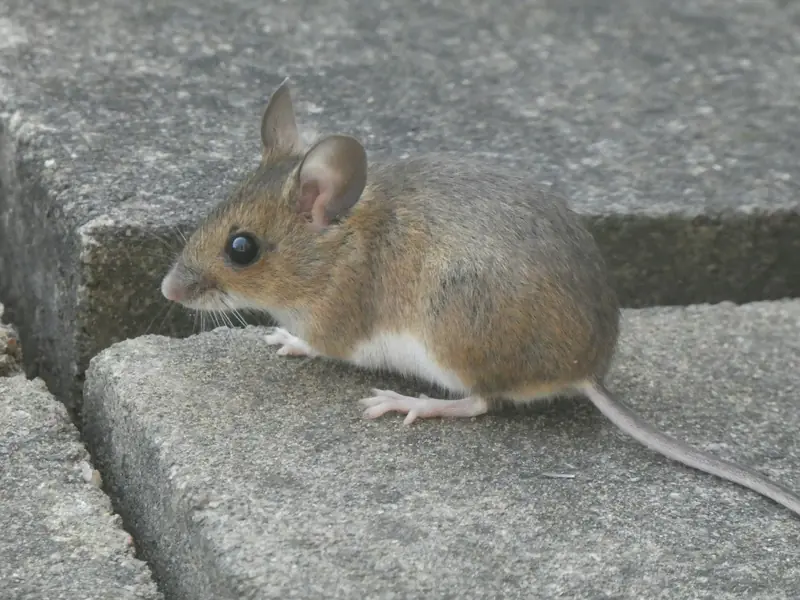
Mice and rats keep coming back until the gaps they use are sealed, so a good rodent job in Columbus is mostly sealing plus snap traps. Poison bait is a last step for an infestation that will not quit, not the first visit.
Call (614) 699-5527Ask for an inspection
Licensed companies only: an Ohio Department of Agriculture pesticide business license. Check any license yourself
On this page
If you are hearing scratching in the walls or finding droppings in a kitchen drawer, the order of the work matters more than the product. Find how they get in, close it, then trap what is still inside. I would be wary of any mouse exterminator or rat exterminator whose quote starts and ends with a monthly bait contract.
Why mice show up every fall
Columbus averages 100 nights a year at 32F or colder, and the median first fall freeze at John Glenn airport is October 29, from our NOAA-based pest data. That is the stretch when most people first see a mouse in the kitchen. A house leaking warm air through gaps is an easy target once the nights turn cold.
Nights at 32°F or colder by month (when mice move indoors)
The CDC says a mouse can squeeze through a hole about the width of a pencil, 1/4 inch. That is a small gap, and older Columbus housing has plenty of them. About 35% of homes in the city were built before 1960, and in German Village 56% were built before 1940. In a 1920s double with a stone foundation, look hard at the mortar joints and at every spot where a pipe or cable goes through the wall.
If you are not sure whether you have mice or rats, a photo of the droppings next to a coin settles it fast.
Norway rats in Columbus alleys and yards
The rat most people see here lives outside. It digs burrows along foundations and under sheds, and it feeds around the trash cans in the alley. Columbus Public Health's Vector Control staff look for burrows and runs along with droppings and gnaw marks. The city's rat program treats only outdoor areas. For rats inside a home, the city tells residents to contact the property owner or a licensed exterminator.
The city's outdoor program has rules. Your yard must have no dog waste or bird seed on the ground and no overgrown grass. Trash and debris have to be picked up before staff will treat. It does not serve apartment buildings or commercial property. Our guide to Columbus rats and 311 covers how to file and what the 1,878 outdoor rat requests filed in 2024 and 2025 tell you about where rats are worst.
The city's vector control manager told WSYX in 2019 that the city sees "an increase in rat activity when there is construction." If a lot nearby is being cleared, expect more traffic in your alley for a while.
Sealing comes first
Sealing is what keeps the job from repeating next October. The CDC's seal-up guidance:
- Pack small holes with steel wool, held in place with caulk or spray foam.
- Cover larger holes with hardware cloth or metal sheeting.
- Outside, check the roofline at the eaves and soffits.
- Check the gap between the foundation and the ground, the crawl space vents, and every opening where utility lines enter.
- Look under kitchen cabinets and around pipes near the water heater. In the basement, follow the line where the floor meets the wall.
Add a door sweep to any exterior door with daylight under it, including the door from the garage. In a basement with a fieldstone or rubble foundation, missing mortar is a gap like any other, and it may need a mason rather than a can of foam.
When you get a quote, ask the technician to list each entry point and the material for each one. That list is the most useful page of a rodent quote. If there is no list, you are paying for bait.
Traps or bait stations
The CDC recommends traditional snap traps to reduce rodents around the home, set along walls where rodents run and in closed spaces like behind the stove and refrigerator. It advises against glue traps and live traps, because frightened rodents urinate, which raises the risk of illness. A dab of chunky peanut butter on the trigger works as bait.
The CDC says to use poison or bait stations only for infestations that persist. That fits with what the EPA allows. Since its rodenticide restrictions took effect, products sold to consumers must come as ready-to-use bait stations, loose pellets are no longer allowed in consumer products, and the stronger second-generation anticoagulants are limited to professional use. For professional products, labels require tamper-resistant stations wherever kids under six or pets could reach the bait.
Rodenticide around pets and kids
The National Pesticide Information Center says rodent baits may be attractive to children and pets and should never be used or stored within their reach. Signs of anticoagulant poisoning in a pet can include weakness and trouble breathing. Bleeding is another sign, and it is not always obvious. Dogs and cats can also be poisoned by eating a poisoned rodent. If a child gets into bait, call Poison Control at 800-222-1222. For a pet, call your vet, and NPIC's pesticide specialists are at 800-858-7378.
My view: bait inside the living space is a poor choice for most homes with pets or small children. A rodent that eats it can also die inside a wall, and you will smell it for weeks. Locked, anchored outdoor stations have a place against Norway rats along a foundation. Ask which active ingredient is in them and write the product name down.
What a company does, and how many visits
A reasonable rodent job looks like this:
- An inspection inside and out, ending in a written list of entry points.
- Sealing, either the same visit or priced as a separate line.
- Snap traps placed in the active areas, with a return visit to check and reset them.
- Outdoor bait stations only where rats are burrowing, with the stations' locations marked on a sketch.
Ask how many follow-up visits the price includes. For mice in a sealed house, I would expect one or two return trips to check traps, not a year of monthly service. If you have paid for a monthly bait program for months and still hear them in the walls, ask the company to show you the gaps it sealed. If the answer is none, the program is renting you bait. Our page on one-time vs quarterly service goes through when a plan is worth it.
Cleaning up droppings
The CDC says not to sweep or vacuum droppings or nesting material, because that can put virus particles into the air. Open doors and windows for 30 minutes first and leave the room. Wear rubber or plastic gloves, spray the mess with 1 part household bleach to 9 parts water, let it soak for 5 minutes, then wipe up with paper towels and bag them.
What rodent control costs
This Old House (updated April 3, 2026) puts mouse extermination at $150 to $550 in most cases, with an average around $350, and says some companies charge $75 to $125 per visit. Those are published national figures and not quotes. Sealing work is often priced on top. Our Columbus cost guide covers other jobs, and this quote checklist shows what a fair rodent quote includes. Renters should read who handles pests in an Ohio rental before paying for anything.
Heavy thumping in the attic in daylight is more often squirrels than mice. If that sounds like your house, start with our wildlife removal page.
We only refer companies that hold an Ohio Department of Agriculture pesticide business license and send licensed commercial applicators. To have one find the entry points and give you a written price, ask for an inspection here.
Questions people ask
Why do I get mice every fall in Columbus?
Most people first notice mice around Columbus's median first freeze in late October. The CDC says a mouse fits through a 1/4 inch hole, so until those gaps are sealed, new mice keep finding the same way in.
Will the City of Columbus get rid of rats in my house?
Columbus Public Health's rat program treats outdoor areas only and does not serve apartment buildings or commercial property. For rats indoors, the city tells residents to contact the property owner or a licensed exterminator.
Is rat poison safe with pets and kids?
Bait carries real risk. NPIC says baits can attract children and pets and must be kept out of their reach, and pets can be poisoned by eating a poisoned rodent. Ask where every bait station will go, and call Poison Control at 800-222-1222 or your vet right away after any exposure.
Are snap traps better than glue traps?
The CDC recommends snap traps and advises against glue traps and live traps, because trapped rodents that panic urinate, which raises the risk of illness.
How much does a mouse exterminator cost?
This Old House (April 3, 2026) puts mouse extermination at $150 to $550 in most cases, with some companies charging $75 to $125 per visit. Sealing work is often priced separately.
Sources
- Columbus Public Health, Vector Control (accessed October 28, 2026)
- CDC, How to Seal Up to Prevent Rodents (April 8, 2024)
- CDC, How to Trap Up to Remove Rodents (April 8, 2024)
- CDC, How to Clean Up After Rodents (April 8, 2024)
- U.S. EPA, Restrictions on Rodenticide Products (updated September 8, 2026)
- National Pesticide Information Center, Rodenticides fact sheet (revised March 2016)
- WSYX, Development spurring rat issues in parts of Columbus (August 27, 2019)
- This Old House, Mice Exterminator Cost (updated April 3, 2026)